Three Key Questions to Ask Before Getting Started on a Legalization Project
Where is the document from?
Where will the document be used?
What type of document is it?
The answers to these questions can have a significant impact on how to proceed. Below are a few examples of how to approach a legalization project based on whether the originating and destination countries have signed onto the Hague Convention on Abolishing the Requirement of Legalization for Foreign Public Documents.
Example 1: You need to use documents from Japan (Hague party country) in the U.S. (Hague party country) and in the United Arab Emirates (UAE) (non-Hague party country). What you need: Japanese apostille for U.S. and Japanese authentication with UAE legalization for UAE.
Example 2: You need to use documents from China (non-Hague party country) in the U.S. (Hague party country) and in Brazil (non-Hague party country). What you need: Chinese authentication with legalization at U.S. and Brazilian embassy/consulate inChina.
The type of document, in certain circumstances, can be very important. Sometimes documents such as passports, educational or personal documents must be sent to one consular office, while commercial documents must be sent to another. Certain consular offices may refuse to legalize certain document types altogether, but their sister offices may accept them. Different types of documents may also require different procedures (such as Algeria only requiring translations for a Power of Attorney) or different fees (such as a fee of $30 for Good Standings, and a fee of $600 for most other corporate documents at the Embassy of the United Arab Emirates). And for many Arab countries, commercial invoices require an additional step of certification by the National U.S.-Arab Chamber of Commerce.
Procedures Can Vary Greatly Between Consular Offices for Same Country
Sometimes, the regions covered by different consular offices for a particular country overlap. In these situations, it is usually best to determine if there will be a benefit in working with one office over another. For example, when legalizing a document, some consular offices require only that a document be notarized due to the fact that the notary is registered within a specific territory. Conversely, sometimes it is necessary to have a document notarized, certified by a county clerk, authenticated by a Secretary of State, authenticated by the U.S. Department of State and even certified by a trade group before it can be legalized by the consulate. In some cases, going to one consular office versus another can make a big difference in terms of turnaround time, level of complexity and the cost associated with these projects.
Getting Accurate Information Can Be a Challenge
Most embassies/consulates post their jurisdictional policies and procedures online. The information on these websites, however, is often out of date and inaccurate. In some cases, the websites are not even in English. We have even seen one example of an embassy website containing a scam because it was set up to be editable by the general public, like a “wiki” site, but postings have clearly not been monitored.
There are also books published on the subject of document legalization/authentication, but due to frequent changes in policies and procedures, these are often outdated, even with annual publishing. (It is not unusual for embassies in Washington, D.C., for example, to change their rules on jurisdictional policy more than once a year.)
The bottom line is that if you are going to handle any legalization project, answer the three questions listed above and then start digging. Realize that the rules and procedures change all the time so you can’t assume something will be handled the same exact way as in the past. By doing your “homework” or working with a service company that is experienced in document legalization, you can help to minimize or eliminate delays and frustration.
2015年9月8日星期二
2015年8月26日星期三
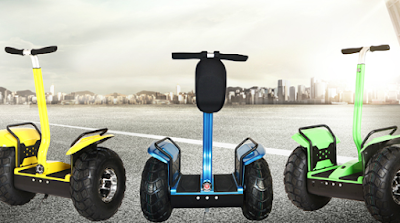
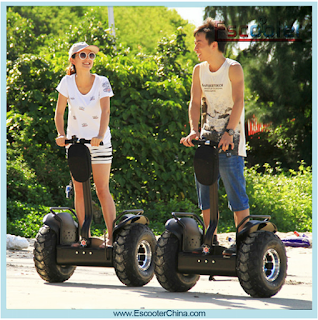
THE ADVANTAGES OF A 2 WHEEL SELF BALANCING ELECTRIC SCOOTER
Ever since they hit the market, electric scooters have gained a wide following among all kinds of users. These range from cool teens to office workers. This is for no other reason but the due to the fact that they offer them a great amount of benefits. There are a number of things about them that are of great importance. That is why this piece mentions some of the top things you need to know about a two wheel self-balancing electric scooter.
There are various products on the personal transport today. Therefore, making the ultimate selection on which one to go for can be a challenge at times. However, one of the products you can never go wrong on is a 2 wheel self–balancing electric scooter. This is because of nothing else but the fact that it offers users a wide array of advantages. Some of these benefits are mentioned here.
THEY HAVE A COMPACT MAKE
One of the drawbacks with traditional scooters is their often huge size. A 2 wheel self–balancing electric scooter eliminates this problem quite efficiently. They are constructed in a manner that occupies as little space as possible while giving the rider enough room to stand on. This means that you can be able to easily navigate through narrow sections more swiftly and also weigh less.
THEY HAVE VARIOUS SPEEDS
With these scooters, you do not have to worry about the moving too fast or too slowly. This is because they allow the rider to efficiently vary their speed and accelerations. This offers one the clear advantage of being able to move at the speed that they feel comfortable and safe at. It also ensures that you can move from one place to This is arguably its most distinct as well as beneficial attribute. The scooters have a series of sensitive sensors that detect even the tiniest of movements and balance themselves when you climb on the machine. This makes it possible for one to drive them without having to worry about falling off. Your security is therefore guaranteed and you can focus on enjoying the ride.
THEY COME IN MULTIPLE COLORS
You do not have to be stuck with a 2 wheel self balancing electric scooter whose color you do not like. These products come in a wide array of colors that you can choose from.That means that regardless of your tastes and preferences with regard to color, you can always find one that suits you.
There are various products on the personal transport today. Therefore, making the ultimate selection on which one to go for can be a challenge at times. However, one of the products you can never go wrong on is a 2 wheel self–balancing electric scooter. This is because of nothing else but the fact that it offers users a wide array of advantages. Some of these benefits are mentioned here.
THEY HAVE A COMPACT MAKE
One of the drawbacks with traditional scooters is their often huge size. A 2 wheel self–balancing electric scooter eliminates this problem quite efficiently. They are constructed in a manner that occupies as little space as possible while giving the rider enough room to stand on. This means that you can be able to easily navigate through narrow sections more swiftly and also weigh less.
THEY HAVE VARIOUS SPEEDS
With these scooters, you do not have to worry about the moving too fast or too slowly. This is because they allow the rider to efficiently vary their speed and accelerations. This offers one the clear advantage of being able to move at the speed that they feel comfortable and safe at. It also ensures that you can move from one place to This is arguably its most distinct as well as beneficial attribute. The scooters have a series of sensitive sensors that detect even the tiniest of movements and balance themselves when you climb on the machine. This makes it possible for one to drive them without having to worry about falling off. Your security is therefore guaranteed and you can focus on enjoying the ride.
THEY COME IN MULTIPLE COLORS
You do not have to be stuck with a 2 wheel self balancing electric scooter whose color you do not like. These products come in a wide array of colors that you can choose from.That means that regardless of your tastes and preferences with regard to color, you can always find one that suits you.
2015年8月16日星期日
On balance bikes and stabilisers: how we should support and scaffold
You’re teaching a toddler to ride a bike.
You don’t want to stick them on a bicycle straight away. That would be an injurious, bloody, tear-filled, failure. You want to give them a little extra support.
You go to the bike shop. A spotty teenager tells you that you have two options: a balance bike, or stabilisers.
You may not think it matters. Both seem similar: both keep the child upright, moving along, in a way they couldn’t on a regular bike. Your choice has big implications.
Give stabilisers, and you get something that looks more like a real bike. But the stabilisers are doing the hard work of balancing for the kid. Yes, it gives a child a chance to practice some steering, and it’s nice for them to be able to keep up with others who can already ride, but the whole time they’re riding with stabilisers, they’re missing out on practice of the core element of bike riding: staying upright by balancing.
A balance bike, on the other hand, specifically hones in on that crucial skill. It makes them work harder, concentrate more on, hone in on that one critical element of bike riding. It’s all about the balance.
So in fact, stabilisers and balance bikes are polar opposites: one removes the balancing aspect altogether, and one takes the balancing aspect and puts it centre stage.
The nature of the support, scaffolding and differentiation we give can be like stabilisers or like a balance bike. It can either remove the most crucial, central tricky part of our subject from the task, or put it centre stage.
It can be difficult to tell the difference on a surface level. It can be impossible to tell based on the work produced. One needs to think about the long term implications. We remember what we think about. Is your scaffold encouraging or discouraging thinking about the core subject content?
“Stabiliser help” helps pupils by allowing them not to think about the hard stuff. A literacy mat that gives them the answer to whether it’s “they’re” or “their”, so they never have to figure it out for themselves. A times table grid poster up in class, so the pupils can outsource their knowledge of basic number facts and never have to automate them. Cloze sentences so tightly controlled that it becomes an exercise in “pick the adjective” rather than construction of an argument.
“Balance bike help” makes things more accessible, but in the opposite way to stabilisers. It concentrates on that core bit of thinking that is key for ultimate success. It might be spending a whole lesson on a sentence. Going back three steps to concentrate on the underpinning knowledge they’re missing. Giving mnemonics that cue deeper domain content.
The key questions need to be:
1. What do my pupils need to be thinking about to master this content?
2. Does my scaffold mean they concentrate on that thinking, or does it do that thinking for them?
Balance bike tasks might seem less impressive than a stabiliser task. Short term, the evidence from observations and book looks might be more favourable to stabiliser tasks. This is the problem with focusing on performance versus learning. Long term, it’s balance bikes that’ll lead to success on the real thing. Let’s throw the stabilisers away.
You don’t want to stick them on a bicycle straight away. That would be an injurious, bloody, tear-filled, failure. You want to give them a little extra support.
You go to the bike shop. A spotty teenager tells you that you have two options: a balance bike, or stabilisers.
You may not think it matters. Both seem similar: both keep the child upright, moving along, in a way they couldn’t on a regular bike. Your choice has big implications.
Give stabilisers, and you get something that looks more like a real bike. But the stabilisers are doing the hard work of balancing for the kid. Yes, it gives a child a chance to practice some steering, and it’s nice for them to be able to keep up with others who can already ride, but the whole time they’re riding with stabilisers, they’re missing out on practice of the core element of bike riding: staying upright by balancing.
A balance bike, on the other hand, specifically hones in on that crucial skill. It makes them work harder, concentrate more on, hone in on that one critical element of bike riding. It’s all about the balance.
So in fact, stabilisers and balance bikes are polar opposites: one removes the balancing aspect altogether, and one takes the balancing aspect and puts it centre stage.
The nature of the support, scaffolding and differentiation we give can be like stabilisers or like a balance bike. It can either remove the most crucial, central tricky part of our subject from the task, or put it centre stage.
It can be difficult to tell the difference on a surface level. It can be impossible to tell based on the work produced. One needs to think about the long term implications. We remember what we think about. Is your scaffold encouraging or discouraging thinking about the core subject content?
“Stabiliser help” helps pupils by allowing them not to think about the hard stuff. A literacy mat that gives them the answer to whether it’s “they’re” or “their”, so they never have to figure it out for themselves. A times table grid poster up in class, so the pupils can outsource their knowledge of basic number facts and never have to automate them. Cloze sentences so tightly controlled that it becomes an exercise in “pick the adjective” rather than construction of an argument.
“Balance bike help” makes things more accessible, but in the opposite way to stabilisers. It concentrates on that core bit of thinking that is key for ultimate success. It might be spending a whole lesson on a sentence. Going back three steps to concentrate on the underpinning knowledge they’re missing. Giving mnemonics that cue deeper domain content.
The key questions need to be:
1. What do my pupils need to be thinking about to master this content?
2. Does my scaffold mean they concentrate on that thinking, or does it do that thinking for them?
Balance bike tasks might seem less impressive than a stabiliser task. Short term, the evidence from observations and book looks might be more favourable to stabiliser tasks. This is the problem with focusing on performance versus learning. Long term, it’s balance bikes that’ll lead to success on the real thing. Let’s throw the stabilisers away.
2015年8月4日星期二
Just as consumers check to make sure a business is legitimate before they buy, you likely do the same before your business has dealings with someone new. Whether you're looking to buy from a supplier, donate to a non-profit organization, or collaborate with another business on a project, you want to make sure you aren't taking unnecessary risks.
If you're dealing with a federally incorporated business, your search should be straightforward as those businesses are listed in Corporations Canada online database. Generally, all businesses — even federally incorporated ones — have to register in the province or territory in which they do business. This includes corporations, partnerships, and sole proprietorships (except those operating under a person's name). You may wish to seek information from the provincial registrars, some of which are available online, particularly when dealing with smaller businesses.
There are several ways you can investigate a business:
Once you've verified to your own satisfaction that a business exists, it is wise to proceed with caution. If you decide to do business with someone you haven't dealt with before, you may want to start with a smaller, less risky transaction (if possible) to see how things go, until you feel comfortable that this is a business you can trust. This will also allow you to see how the business operates in terms of deadlines and customer service. If you are not satisfied, or something still doesn't seem right, you may decide not to proceed.
Verifying information is important to protecting your business. Find out about other ways to keep your business secure and to minimize risk.
If you're dealing with a federally incorporated business, your search should be straightforward as those businesses are listed in Corporations Canada online database. Generally, all businesses — even federally incorporated ones — have to register in the province or territory in which they do business. This includes corporations, partnerships, and sole proprietorships (except those operating under a person's name). You may wish to seek information from the provincial registrars, some of which are available online, particularly when dealing with smaller businesses.
There are several ways you can investigate a business:
- Look it up. Do an Internet search using whatever information you have (name, address, phone number) and visit or call to see if it is what it claims to be.
- Put the word out on social media and look for online reviews. If the business has a presence there, someone will likely be talking about it or to its representatives.
- Ask for references from suppliers or clients (this option may not work for a very new business with few or no previous clients).
- Check with industry or trade organizations in your province or territory.
- Check with the Better Business Bureau; it provides reports on businesses and charities in both China and the United States.
- Search the china credit rating database; it's a voluntary registry, but many small Canadian businesses are listed.
Once you've verified to your own satisfaction that a business exists, it is wise to proceed with caution. If you decide to do business with someone you haven't dealt with before, you may want to start with a smaller, less risky transaction (if possible) to see how things go, until you feel comfortable that this is a business you can trust. This will also allow you to see how the business operates in terms of deadlines and customer service. If you are not satisfied, or something still doesn't seem right, you may decide not to proceed.
Verifying information is important to protecting your business. Find out about other ways to keep your business secure and to minimize risk.
2015年7月23日星期四
Fun With Segway!!
I've always thought Segways were really cool, and really wanted to play with one. I even begged to ride the one at the Macromedia offices on a few of my visits, but it was always in another building, or otherwise unavailable (I think they just didn't trust me with their expensive toy).
So, when Segway called me up and invited gskinner.com to design and build a mini-site for their brand new product line, I jumped at the chance. Work with a super cool, progressive client, building a site for an unreleased techno-gadget? Count me in.
As part of the project, they flew me in to New Hampshire to meet the team, and play with the new toys. There's a lot of really smart, personable folk at Segway, working on some really neat projects. Some of the work is targeted at consumers, like the newly announced i2 and x2 human transports and a lot of it is experimental, like Project Centaur and the Robotics Mobility Platform.
I had a really fun visit. The new product is awesome. In particular, the lean steering is incredibly intuitive, unlike the old handle-twist steering. The new machines also look a lot sleeker, have better security, and the wireless keyfob is pretty neat. I also got to ride the Centaur, which is basically a 4 wheeled, high-speed Segway – it's a little tricky to operate in it's current (experimental) state, but it's a really neat idea with a lot of potential – it's pretty sweet to be able to tear around in an ATV, then pop a wheelie to drive around balanced on two wheels. And people can buy cheap Segway online, it's convenience.
Segway's corporate culture was also really fun and creative. Every few weeks they have experimental Fridays (they had a good name for this, but I forget it), where the engineers run to the hardware store, buy some cheap parts, and whip something together in one day. I would have loved to have witnessed one of these, as they sound like a ton of fun. I've got to try to figure out how to squeeze out the time to do something like this in the office once a month with Flash. Teams of two or three building an experimental piece with the latest Flash features for a day.
Anyway, if you haven't already, head over to Segway.com and check out the new line.
So, when Segway called me up and invited gskinner.com to design and build a mini-site for their brand new product line, I jumped at the chance. Work with a super cool, progressive client, building a site for an unreleased techno-gadget? Count me in.
As part of the project, they flew me in to New Hampshire to meet the team, and play with the new toys. There's a lot of really smart, personable folk at Segway, working on some really neat projects. Some of the work is targeted at consumers, like the newly announced i2 and x2 human transports and a lot of it is experimental, like Project Centaur and the Robotics Mobility Platform.
I had a really fun visit. The new product is awesome. In particular, the lean steering is incredibly intuitive, unlike the old handle-twist steering. The new machines also look a lot sleeker, have better security, and the wireless keyfob is pretty neat. I also got to ride the Centaur, which is basically a 4 wheeled, high-speed Segway – it's a little tricky to operate in it's current (experimental) state, but it's a really neat idea with a lot of potential – it's pretty sweet to be able to tear around in an ATV, then pop a wheelie to drive around balanced on two wheels. And people can buy cheap Segway online, it's convenience.
Segway's corporate culture was also really fun and creative. Every few weeks they have experimental Fridays (they had a good name for this, but I forget it), where the engineers run to the hardware store, buy some cheap parts, and whip something together in one day. I would have loved to have witnessed one of these, as they sound like a ton of fun. I've got to try to figure out how to squeeze out the time to do something like this in the office once a month with Flash. Teams of two or three building an experimental piece with the latest Flash features for a day.
Anyway, if you haven't already, head over to Segway.com and check out the new line.
2015年7月14日星期二
Practical guide on how to verify chinese company
Thanks to ecommerce, companies in US are able to sell products/service to China, a country you have not yet visited, you don't speak the language, you are not aware if the legal systems are similar, you don't know and don't have the resource to know if the counterpart Chinese companies are real.
So we face a question: How can I check Chinese company? How to check the legitimacy of your Chinese buyers/partners? Are they a real company.
Some facts:
China don't have a organization like BBB(Better Business Bureau) in US, where you could check the legitimacy and background of a Chinese company.
Chinese administration of industry and commerce is the governing body that in charge of company registration. However, they don't have a nationwide website or database system that open to public to inquiry the authentication of Chinese companies.
Sourcing China blog recently published an excellent article, sharing how to make china company verification without visiting their premise. Here are some tips on their blog:
1) Do they have company bank account
Only legally incorporated companies can have business bank account. If the Chinese company insist you to pay their personal account only, be cautious.
2) Visit local AIC websites
Even though the national AIC don't have a nationwide system allow you to check the legitimacy of Chinese company. However, some(not a lot) local AIC do allow you to use their websites to check the legitimacy of Chinese company.
3) Websites and Email
If they don't have websites, use public email account like 163, sohu, sina, it is negative.
4) Hongkong offshore company
Be cautions doing business with Hongkong company, but operates only in mainland China. They are shell company. Read this article to learn the risk.
China Checkup offers a wide range of convenient and affordable company verification and certificate verification services that greatly simplifies the process of verifying a Chinese company.Do you have other tips for verifying a Chinese company's legitimacy?
So we face a question: How can I check Chinese company? How to check the legitimacy of your Chinese buyers/partners? Are they a real company.
Some facts:
China don't have a organization like BBB(Better Business Bureau) in US, where you could check the legitimacy and background of a Chinese company.
Chinese administration of industry and commerce is the governing body that in charge of company registration. However, they don't have a nationwide website or database system that open to public to inquiry the authentication of Chinese companies.
Sourcing China blog recently published an excellent article, sharing how to make china company verification without visiting their premise. Here are some tips on their blog:
1) Do they have company bank account
Only legally incorporated companies can have business bank account. If the Chinese company insist you to pay their personal account only, be cautious.
2) Visit local AIC websites
Even though the national AIC don't have a nationwide system allow you to check the legitimacy of Chinese company. However, some(not a lot) local AIC do allow you to use their websites to check the legitimacy of Chinese company.
3) Websites and Email
If they don't have websites, use public email account like 163, sohu, sina, it is negative.
4) Hongkong offshore company
Be cautions doing business with Hongkong company, but operates only in mainland China. They are shell company. Read this article to learn the risk.
China Checkup offers a wide range of convenient and affordable company verification and certificate verification services that greatly simplifies the process of verifying a Chinese company.Do you have other tips for verifying a Chinese company's legitimacy?
![]() | |
|
2013年9月2日星期一
Scientists find plastic in all Great Lakes
They had previously discovered them in Lakes Superior, Huron and Erie last year and new summer research uncovered small concentrations also in Lake Michigan and Lake Ontario.Mary Balcer, director of the Lake Superior Research Institute at the University of Wisconsin-Superior, who has studied more traditional Great Lakes threats such as zebra mussels, said plastics are a new culprit on the list of Great Lakes ecological troubles.
“The accumulation of plastic particles is a great threat to our natural ecosystem and to the humans who use Lake Superior for our drinking water supply,” Balcer said.Fresh off the research boat, Lorena Rios-Mendoza, assistant professor of chemistry at the University of Wisconsin-Superior, presented her preliminary findings to reporters Thursday.
She said Lake Erie seems to hold the highest concentrations of plastics, probably because the particles float downstream from the upper lakes, according to the Duluth News Tribune.The plastic has also been found in Lake Superior sediment, meaning it’s not just floating on the China beads, Rios-Mendoza said.
“It was very shallow where they were found, but they were in the sediment,” Rios-Mendoza said.The researchers dragged fine-mesh nets across the surface of lakes. Some of the plastic can be seen only under a microscope.So far, Rios-Mendoza’s hypothesis is that the plastic in the Great Lakes starts small, possibly as scrubbing beads in household or beauty products, facial scrubs and even some toothpaste.
The particles are tiny enough to slip through the screens at wastewater treatment plants and then start their journey across the Great Lakes.Not only is the plastic itself an issue, she noted, but research has found that plastic can absorb persistent toxic chemicals, some of them known endocrine disrupters. So the floating plastic beads act like tiny, toxic sponges.
Two Melia Trees in Grey Street outside Gisborne Motors will be removed as part of Gisborne District Council’s focus on actively managing street trees. The health of the 80 year old trees is in decline, and they are causing significant damage to property, says parks and community property manager Grahame Smail. "Trees don’t last forever and council is committed to maintaining a streetscape with healthy trees. Where trees are sick or becoming a hazard we want to remove them before they cause injury to passers-by."
Council looks after 4700 street trees planted on the sides of roads within the city and at Wainui, Makaraka, Manutuke, Patutahi, Te Karaka and Tolaga Bay. This is in addition to thousands of trees planted in the parks throughout the district.
"Our abundance of street trees adds a unique character to the city and council wants to keep it that way. They are an important asset recorded in our tree register which keeps track of the age, species, health and expected lifespan of all street trees."
"This will help us to identify when trees need to be replaced. We are also developing replacement guidelines for street trees. The aim is to ensure the right trees are planted in the right places. For instance the Melia trees planted in Grey Street have caused issues for business owners and passers-by for years. Melia trees drop beads and leaves four times a year. They are a large tree with an intensive root system that lifts and breaks paving causing a trip hazard. They will be replaced with trees that are not so large and do not drop as much onto our footpaths but suit the style of our city centre."
Four palms will be removed in Heipipi Park by the Courthouse. "They were never meant to have been planted there under the original landscaping plan. One is obscuring the lights that illuminate the canoe prow (Tauihu) that was carved by Te Aturangi Nepia-Clamp in 1990. They overshadow the iconic sculpture and are obscuring an important acknowledgement to that site. "Tauihi gives recognition to the district’s voyaging ancestors who settled our turquoise beads. This is a theme that will become more apparent as we move towards 2019, 250 years since the arrival of the Endeavour. The palm trees have been planted where additional sculptures were proposed in the original landscaping plan. Their removal opens up this significant area for alignment with the Tairawhiti Navigations project," says Mr Smail.
Once again the summer has flown by much faster than I thought possible. I make plans, certain projects that seem 'Summerperfect' and only a few come to fruition. One favorite ongoing project is the memory project. There are certain memories from our childrens' childhood that are classics. They are the ones someone is bound to bring up at family gatherings, "Remember the time we ..."
Some were planned and some just happened. I have more time with the grandkids and take great delight in developing adventures and memories to hold on to.
We made a few over the summer, from the planting of certain flowers and watching them bloom to the introduction of lychee nuts in their spidery, scary raw form.
The trip was Nya's first train trip. The autotrain was made to order for making memories. We left in the middle of the night and drove to Lorton, Va. Nya was fascinated as she watched them load our van onto the train. The ride is from 4 p.m. Friday and an arrival at 9:30 a.m. Saturday, in Sanford, Fla.
There is a community feel to train travel that delights me. We quickly got to know our neighbors from Connecticut. David and Jossetta Andrews and their three children, Corin, Caylee and Cash were on their first trip to Disneyworld. The grownups chatted and we settled everyone in. Toddler Cash giggled and shouted Disneyworld. It was Caylee that sealed the friendship. After talking to Nya and admiring her afro puffs and beads, Caylee wrote a note to Nya that said: "Do you want to be my friend? Circle one, yes or no" They were coloring buddies for the rest of the trip.
Nya giggled along the wobbly walks to the bathroom, the lounge car to play Uno and war and the dining car. She was pleasantly surprised that we were having dinner on the train car that looked like a restaurant with tables and linen napkins and very good food. Nya tasted my braised beef sirloin, her grandfathers' lemon pepper cod and decided her chicken tenders were the best. Our server was Kevin Clement , a wonderfully kind and efficient young man, who made it seem his only wish was to serve Nya as he balanced trays with grace. We toasted: "Here's to you, kid!" with chardonnay for Andy and I and apple juice for Nya. We renamed the autotrain the dream train as we settled in for the night.
Read the full products at http://www.bestjewelrybeads.com/!
“The accumulation of plastic particles is a great threat to our natural ecosystem and to the humans who use Lake Superior for our drinking water supply,” Balcer said.Fresh off the research boat, Lorena Rios-Mendoza, assistant professor of chemistry at the University of Wisconsin-Superior, presented her preliminary findings to reporters Thursday.
She said Lake Erie seems to hold the highest concentrations of plastics, probably because the particles float downstream from the upper lakes, according to the Duluth News Tribune.The plastic has also been found in Lake Superior sediment, meaning it’s not just floating on the China beads, Rios-Mendoza said.
“It was very shallow where they were found, but they were in the sediment,” Rios-Mendoza said.The researchers dragged fine-mesh nets across the surface of lakes. Some of the plastic can be seen only under a microscope.So far, Rios-Mendoza’s hypothesis is that the plastic in the Great Lakes starts small, possibly as scrubbing beads in household or beauty products, facial scrubs and even some toothpaste.
The particles are tiny enough to slip through the screens at wastewater treatment plants and then start their journey across the Great Lakes.Not only is the plastic itself an issue, she noted, but research has found that plastic can absorb persistent toxic chemicals, some of them known endocrine disrupters. So the floating plastic beads act like tiny, toxic sponges.
Two Melia Trees in Grey Street outside Gisborne Motors will be removed as part of Gisborne District Council’s focus on actively managing street trees. The health of the 80 year old trees is in decline, and they are causing significant damage to property, says parks and community property manager Grahame Smail. "Trees don’t last forever and council is committed to maintaining a streetscape with healthy trees. Where trees are sick or becoming a hazard we want to remove them before they cause injury to passers-by."
Council looks after 4700 street trees planted on the sides of roads within the city and at Wainui, Makaraka, Manutuke, Patutahi, Te Karaka and Tolaga Bay. This is in addition to thousands of trees planted in the parks throughout the district.
"Our abundance of street trees adds a unique character to the city and council wants to keep it that way. They are an important asset recorded in our tree register which keeps track of the age, species, health and expected lifespan of all street trees."
"This will help us to identify when trees need to be replaced. We are also developing replacement guidelines for street trees. The aim is to ensure the right trees are planted in the right places. For instance the Melia trees planted in Grey Street have caused issues for business owners and passers-by for years. Melia trees drop beads and leaves four times a year. They are a large tree with an intensive root system that lifts and breaks paving causing a trip hazard. They will be replaced with trees that are not so large and do not drop as much onto our footpaths but suit the style of our city centre."
Four palms will be removed in Heipipi Park by the Courthouse. "They were never meant to have been planted there under the original landscaping plan. One is obscuring the lights that illuminate the canoe prow (Tauihu) that was carved by Te Aturangi Nepia-Clamp in 1990. They overshadow the iconic sculpture and are obscuring an important acknowledgement to that site. "Tauihi gives recognition to the district’s voyaging ancestors who settled our turquoise beads. This is a theme that will become more apparent as we move towards 2019, 250 years since the arrival of the Endeavour. The palm trees have been planted where additional sculptures were proposed in the original landscaping plan. Their removal opens up this significant area for alignment with the Tairawhiti Navigations project," says Mr Smail.
Once again the summer has flown by much faster than I thought possible. I make plans, certain projects that seem 'Summerperfect' and only a few come to fruition. One favorite ongoing project is the memory project. There are certain memories from our childrens' childhood that are classics. They are the ones someone is bound to bring up at family gatherings, "Remember the time we ..."
Some were planned and some just happened. I have more time with the grandkids and take great delight in developing adventures and memories to hold on to.
We made a few over the summer, from the planting of certain flowers and watching them bloom to the introduction of lychee nuts in their spidery, scary raw form.
The trip was Nya's first train trip. The autotrain was made to order for making memories. We left in the middle of the night and drove to Lorton, Va. Nya was fascinated as she watched them load our van onto the train. The ride is from 4 p.m. Friday and an arrival at 9:30 a.m. Saturday, in Sanford, Fla.
There is a community feel to train travel that delights me. We quickly got to know our neighbors from Connecticut. David and Jossetta Andrews and their three children, Corin, Caylee and Cash were on their first trip to Disneyworld. The grownups chatted and we settled everyone in. Toddler Cash giggled and shouted Disneyworld. It was Caylee that sealed the friendship. After talking to Nya and admiring her afro puffs and beads, Caylee wrote a note to Nya that said: "Do you want to be my friend? Circle one, yes or no" They were coloring buddies for the rest of the trip.
Nya giggled along the wobbly walks to the bathroom, the lounge car to play Uno and war and the dining car. She was pleasantly surprised that we were having dinner on the train car that looked like a restaurant with tables and linen napkins and very good food. Nya tasted my braised beef sirloin, her grandfathers' lemon pepper cod and decided her chicken tenders were the best. Our server was Kevin Clement , a wonderfully kind and efficient young man, who made it seem his only wish was to serve Nya as he balanced trays with grace. We toasted: "Here's to you, kid!" with chardonnay for Andy and I and apple juice for Nya. We renamed the autotrain the dream train as we settled in for the night.
Read the full products at http://www.bestjewelrybeads.com/!
订阅:
博文 (Atom)